
Modernizing the Talent Cycle
We work across workforce strategy, hiring, organizational design, analytics, and assessment-informed advisory to help clients address the decisions that shape talent, structure, and execution.
-

Organizational Assessment & Design
Assessing and designing organizational structures, roles, reporting relationships, management layers, and ways of working to clarify how work gets done, how decisions are made, and how accountability is maintained as organizations evolve. This includes examining structure, spans of control, role clarity, team interfaces, and decision processes to identify practical improvements that support mission, growth, and execution.
-
Workforce Planning & Talent Analytics
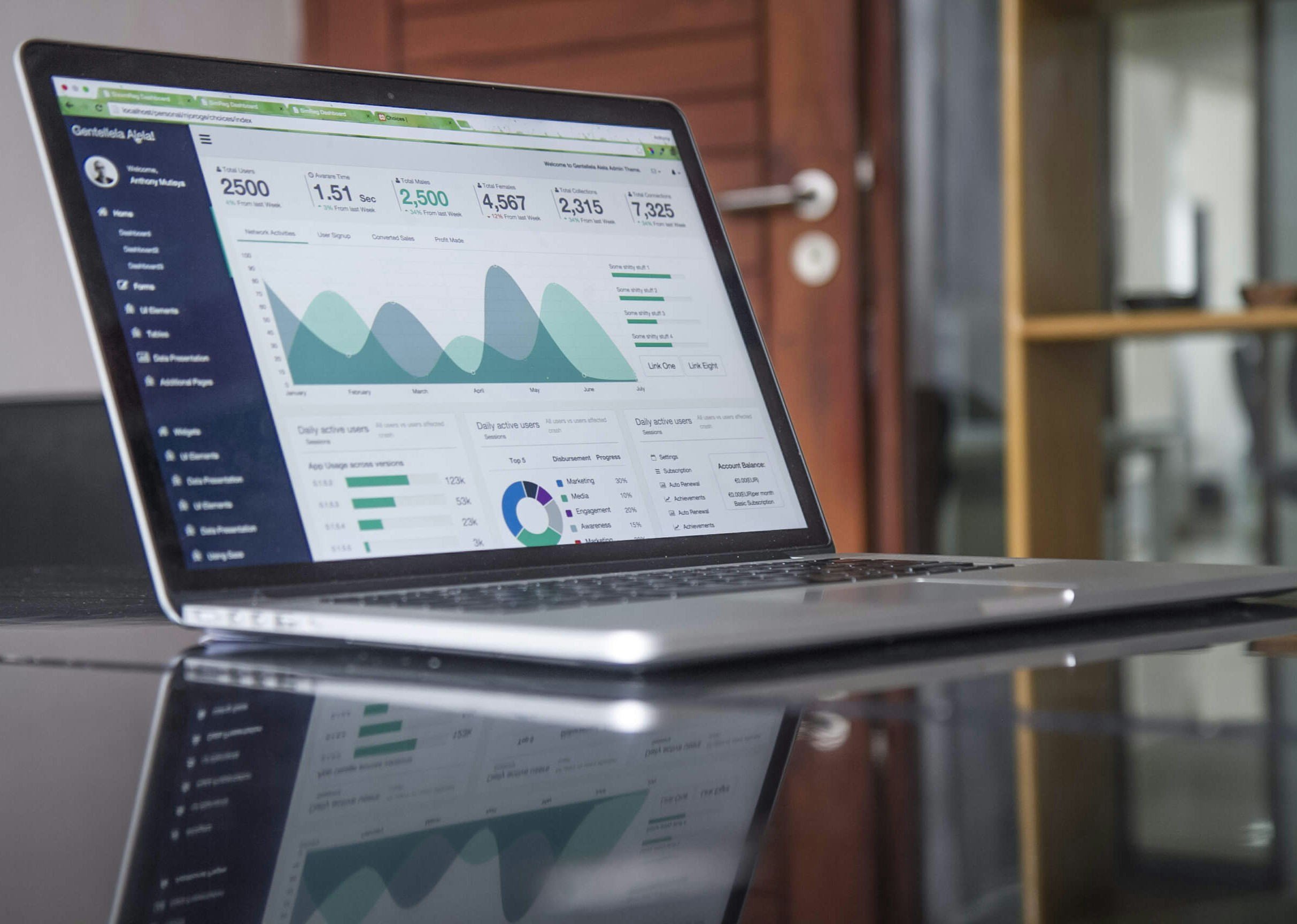
Enabling workforce planning and talent analytics that help organizations understand current and future workforce needs, identify workforce risks, assess capability gaps, and make more informed decisions about hiring, development, deployment, retention, and succession. This includes using workforce data, role requirements, and capability needs to align talent strategies with mission, growth, and execution priorities.
-

Job Architecture Design
Designing job, role, and competency architecture that supports hiring, assessments, performance management, employee development, career paths, workforce planning and succession planning. This includes clarifying role expectations, capability requirements, job families, career levels, and competency frameworks so talent practices are aligned to organizational needs.
-

Assessment Methods & Selection Tools
Developing structured assessment methods, selection tools, interview guides, scoring rubrics, and evaluation procedures that support consistent, job-related hiring and promotion decisions. This includes applying job analysis, competency modeling, psychometrics, and evidence-based assessment practices to help organizations make fair, defensible, and effective talent decisions.
-

Succession & Leadership Continuity
Supporting succession planning and leadership continuity by identifying critical roles, assessing leadership readiness, and strengthening talent pipelines for key positions. This includes clarifying future leadership needs, evaluating bench strength and succession risk, and identifying development priorities that support organizational stability and knowledge transfer. These efforts reduce risks in critical roles by helping organizations prepare for planned and unplanned transitions.
-

Performance Management & Employee Development
Strengthening performance management and employee development by clarifying expectations, strengthening feedback, and supporting employee growth. This includes designing performance management processes, creating development programs, developing manager resources, and identifying career growth approaches that strengthen individual performance while building organizational capability.
-
Talent Systems & Data Alignment
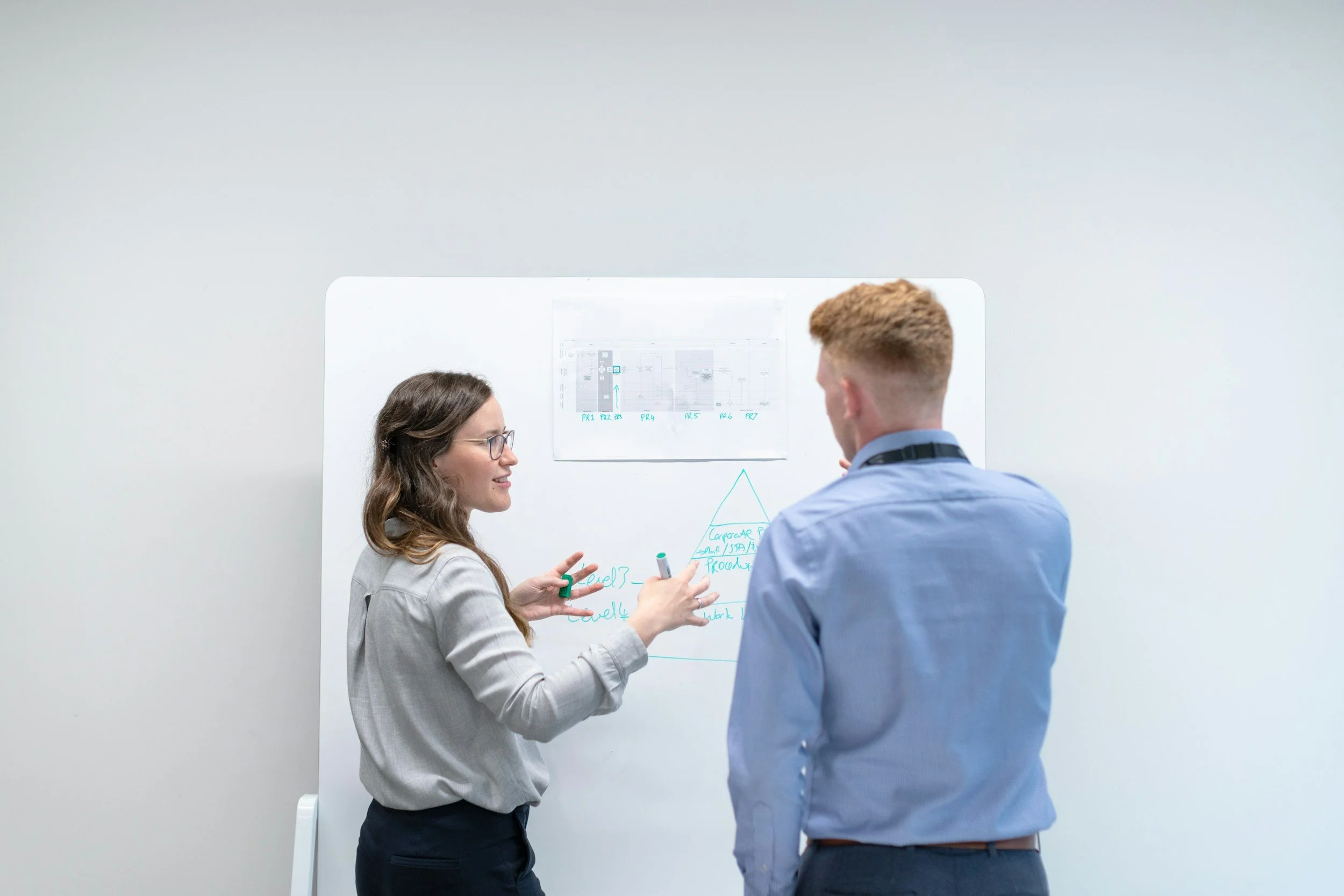
Shaping talent systems, data structures, and related technologies so they better support hiring, workforce decisions, and broader human capital priorities. This includes clarifying data definitions, improving data quality and consistency, aligning system fields and reporting structures, and developing metrics that help leaders understand workforce trends, talent risks, and capability needs.
-
Change Leadership & Implementation Support
Supporting organizational change through stakeholder engagement, implementation planning, communications, manager support, and adoption planning as organizations navigate shifting priorities, evolving workforce expectations, and new technologies. This includes translating recommendations into practical actions, tools, and messages that help changes take hold in the real operating environment.
-

Team & Leadership Effectiveness
Strengthening how leaders, managers, teams, and cross-functional groups communicate, coordinate, make decisions, and execute across functions, locations, and stakeholder environments. This includes assessing team and multi-team dynamics, leadership expectations, manager effectiveness, and collaboration practices to improve performance as organizations grow or change.
-
Employee Experience, Engagement, and Retention
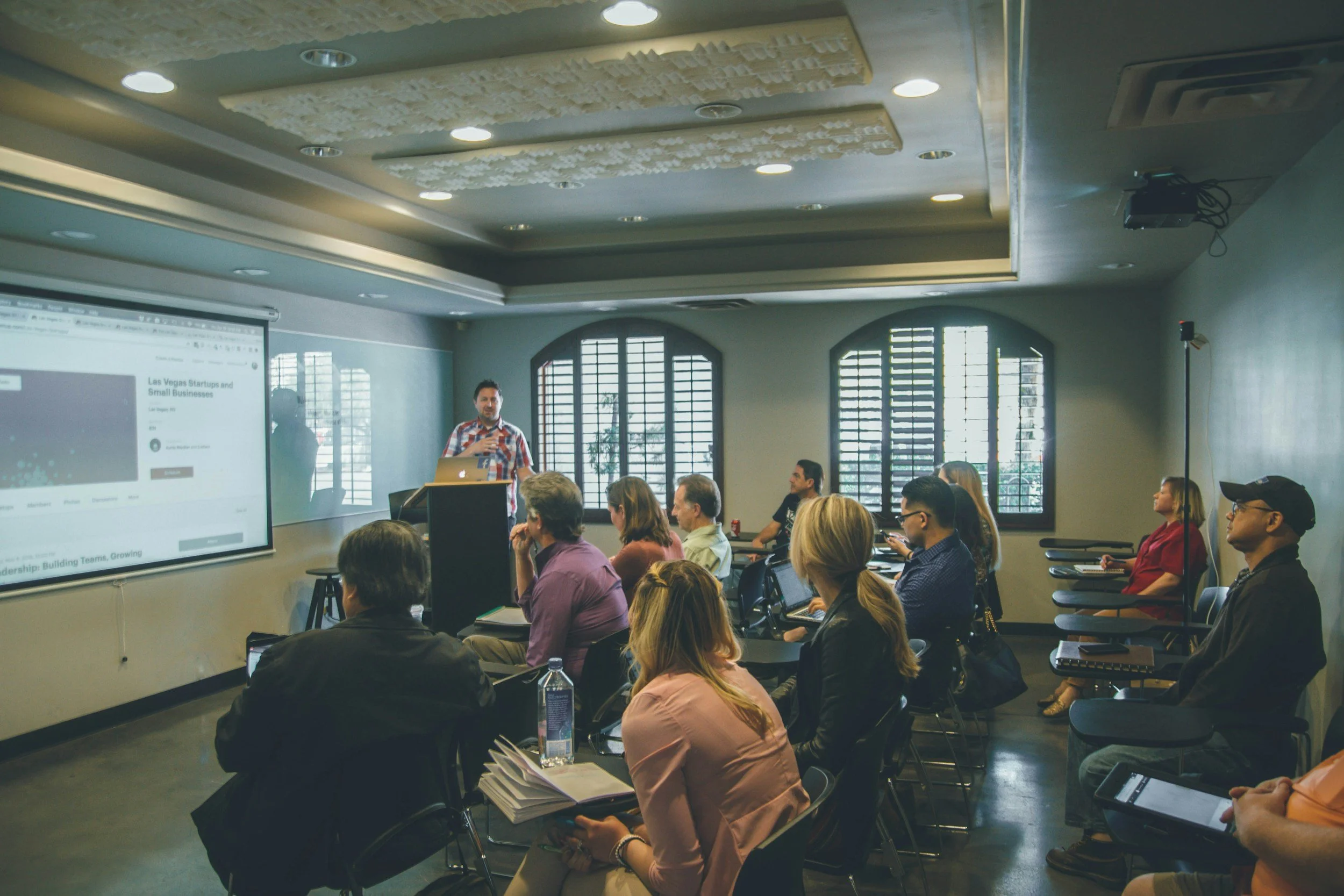
Assessing employee experience, engagement, organizational climate, and retention drivers to help organizations understand what supports or limits workforce performance. This includes using surveys, interviews, focus groups, workforce data, and evidence-based analysis to identify actions that strengthen engagement, reduce talent risk, and improve conditions employees need to perform effectively.